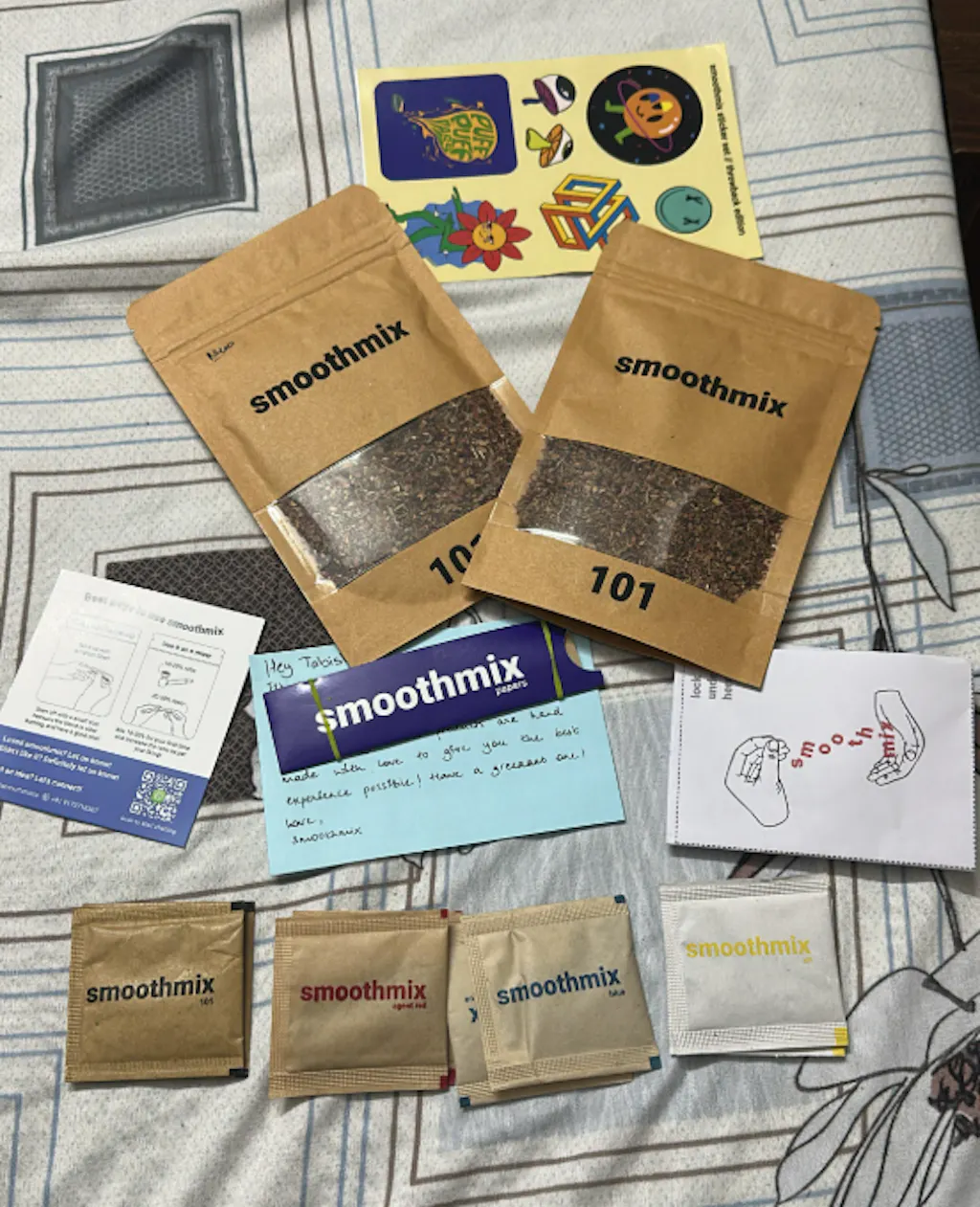
The question of what is hemp rolling paper has gained attention as consumers explore alternatives to traditional wood pulp options. Hemp rolling paper is a thin paper made from fibres of the industrial hemp plant, a variety of Cannabis sativa. It is valued for its plant-based composition, steady burn profile, and reduced environmental footprint compared to conventional paper sources.
Hemp papers are a product of the increasing awareness of a more sustainable production process, using strong bast fibers to create a useful product from a plant source. The paper is also known to have a neutral taste that does not affect the aroma of herbal blends.
What Is Hemp Rolling Paper?
In the goal to give a full definition of what hemp rolling paper is, it is necessary to analyze its use as a specialized tool for the consumption of dried botanicals. This product is a link between traditional paper-making and modern preferences for cleaner smoking accessories. The core of its identity is based on the cellulose fibers that are extracted from the hemp stalk and processed into extremely thin sheets.
The importance of defining this paper is so crucial because it establishes the standard for purity and performance. The conventional wood pulp papers may contain additives to ensure that they burn properly, while hemp has a natural burning rate that is often more consistent. This natural property allows one to make papers that are thin and strong, providing a tactile experience that is often better than the bleached or heavy papers.
Furthermore, users gravitate toward these materials due to the cultural shift toward plant-based consumption. With the development of the industry, the environmental qualities of hemp, such as its ability to sequester carbon during growth, are increasingly influential in how the product is marketed and received. It is no longer simply a utility product; it is a statement of values that reflects a commitment to responsible sourcing and a preference for unrefined materials.
What Are The Natural Qualities That Shape Hemp Paper’s Identity?
The identity of hemp paper cannot be separated from the biological efficiency of the hemp plant itself. Hemp is very well known for its sustainability because it only takes four months to grow, which is much more efficient than trees that are used for making standard paper. Hemp is described as a renewable crop due to its relatively fast growth cycle compared to many timber sources.
The fact that it is plant-based means that the end product will be biodegradable and will not contain the artificial binding agents that are commonly found in lower-quality products. It is these natural properties that are largely responsible for the existence of hemp papers in the modern market today, as they provide a cleaner look and feel that corresponds with the "back to nature" movement. Through the use of the long fibers of the plant, a paper that is very strong at a low micron weight can be produced.
What Is Hemp Rolling Paper Made From When Examining Its Composition?
The composition of hemp rolling papers is quite simple. Firstly, hemp rolling papers are made of processed hemp pulp, which is derived from the inner and outer fibers of the hemp stalk. The material is purified and processed into a slurry that is then pressed into thin sheets.
The burn rate, color, and texture of the paper are all a result of this internal composition. For instance, a paper with a higher composition of long bast fibers will be more tear-resistant. Most high-quality hemp papers will also contain a natural gum stripe, which is normally extracted from the Acacia tree, to serve as a plant-based adhesive to hold the paper together without the use of artificial glue.
It is the absence of heavy additives that makes hemp different from wood pulp. Although some conventional papers may contain calcium carbonate or chlorine to affect the speed of burning or color, many hemp strains make use of the inherent properties of the plant itself. It is this simple composition that makes hemp paper a major consideration for those who do not want to breathe in the burning byproducts of industrial chemicals used in whitening paper.

What Material Differences Exist Between Hemp Paper And Regular Paper?
The most notable difference between hemp paper and other wood pulp papers is the length and density of the fibers. Hemp fibres are much longer than wood fibres, which enables the production of a paper that is much stronger and thinner. This means there is less "paper taste" and a smoother experience when using the paper with herbal blends such as those available at smoothmix.
Sustainability also brings about a huge gap; the production of one tonne of hemp paper requires less land and fewer chemicals than the production of one tonne of wood paper. In terms of feel, hemp papers tend to have a slightly textured or "toothy" surface, which is better suited to rolling than the slippery or too smooth surface of refined wood pulp.
Are Hemp Rolling Papers Safe And Do They Contain CBD Or Psychoactive Compounds?
One of the myths about these papers is that, because they are made from hemp, they must therefore contain active cannabinoids. But the fact is that scientific analysis has shown that the process of turning hemp into paper eliminates the resinous trichomes that contain CBD or THC. As a result, these papers are non-psychoactive and do not have any medicinal or mind-altering effects.
In terms of safety, hemp is often regarded as a "cleaner" crop because it is naturally pest-resistant, which means that it is often grown using fewer pesticides than other commercial crops. The biochemical resilience of hemp has been highlighted by research conducted by the University of York, which is evident in the purity of the processed products.
Generally, health concerns are centered on the byproducts of the combustion process. Although smoking any type of smoke poses certain risks, using unbleached hemp papers will help avoid the inhalation of leftover bleaching materials such as chlorine. Many people turn to hemp as a means of avoiding artificial additives while still adhering to their habits.
How Do You Use Hemp Rolling Papers When Rolling Joints Or Cigarettes?
The process of using hemp rolling papers is quite simple, although the exact nature of the material may affect this. The hemp fibers are quite pliable and robust, which makes them more amenable to those who are new to the process than rice papers, which may be brittle. To start, one simply needs to place the ground herbal mixture in the center of the paper.
The flexibility of hemp allows the paper to be tucked and rolled with ease, creating a tight, uniform cylinder. A key tip for beginners is to avoid over-moistening the gum strip; since many hemp papers use natural acacia gum, a light dampening is all that is required to create a permanent bond. The rollability of the paper is often enhanced by its slightly textured surface, which prevents the material from sliding out of the fingers.
For those who have difficulty with manual dexterity, hemp papers are also available pre-rolled. But the "tactile feedback" of a standard hemp sheet is often preferred by enthusiasts who appreciate the art of preparing their own rolls. Whether rolling a thin cigarette or a larger joint, the tensile strength of hemp paper ensures that it does not tear under the pressure of a tight pack.
What Does Hemp Rolling Paper Feel Like When Touched Or Smoked?
One of the most celebrated aspects of hemp paper is its texture. When touched, it feels slightly heavier than rice paper but lighter than wood pulp paper. There is also a slight matte finish to the touch, which is great for grip. The thickness and texture of the paper are directly related to its ability to handle heat and airflow.
Regarding the smoking experience, hemp is famous for its neutrality. It does not have that harsh, acrid aftertaste that is common in heavy, bleached papers. Rather, it allows the terpene flavor of the botanicals to be the focal point. Whether it is the standard or premium thick variety, the goal is to have a consistent, slow-burning experience that does not need to be constantly relit.
The user experience is described as "smooth," which is a result of the even burning of the hemp fibers. Since the paper is less likely to produce excessive ash or "paper flares," the attention is solely on the quality of the herbal blend. The taste neutrality is especially appreciated by those exploring herbal blends from brands such as smoothmix and want to enjoy their subtle flavor profiles.

How Do Bleached And Unbleached Hemp Rolling Papers Differ?
The contrast between bleached and unbleached hemp papers is largely a matter of processing and the purity of chemicals used. Bleached papers are subjected to a chemical treatment to give them a bright white shade. Although the current "bleaching" techniques involve oxygen-based processes instead of liquid chlorine, some paper purists choose to avoid the additional processing altogether.
Unbleached hemp papers are easily identified by their natural light brown or tan hue. These versions are often marketed as being "closer to the plant," as they skip the final whitening stage. This results in a paper that is often perceived as having a cleaner burn and a lower environmental footprint, as the manufacturing process involves fewer chemical discharges.
In terms of safety, unbleached paper is often preferred by health-conscious consumers who prefer to have as few variables as possible in their regular lives. Although the performance level of both is similar, the natural look of the unbleached paper with its translucent appearance has become the standard for high-quality hemp brands.
What Types, Sizes, And Cones Are Available In Hemp Rolling Papers?
The hemp rolling papers market provides a wide range of variants to cater to different preferences. The most popular sizes of hemp rolling papers include 1 ¼ (one and a quarter), which is the standard size for most people, and King Size, which is preferred for extended use. There are also single wide variants for people who want the traditional smaller cigarette size.
Pre-rolled cones have become extremely popular, offering a convenient option for those who wish to reap the rewards of hemp without having to roll their own. These cones come in a range of sizes and thicknesses, some of which come complete with a filter tip to ensure that no debris is inhaled. This ensures that no matter what the preference, a hemp option will always be available.
Thickness also differs by type, with ultra-thin hemp papers being made for the most transparent experience possible, while “green” or standard-weight papers provide a bit more structural integrity. This is often a function of the moisture content of the herbs being smoked, with heavier, wetter mixes sometimes requiring a slightly thicker paper that can handle the heat.
How Does Hemp Compare Against Other Rolling Paper Materials?
In comparison to wood pulp, hemp is definitely the more neutral and sustainable option. Wood pulp tends to be thicker and burn faster, which can result in a harsher experience. Rice papers, on the other hand, are extremely thin and tasteless but can be very difficult to roll because they do not have friction and tend to go out if not continuously smoked.
Flax papers provide a solution, being quite robust and having a similar texture to hemp, but they are less readily available. Hemp is unique in that it combines the usability of wood pulp paper with the purity and slow-burning properties of rice paper. It is precisely this "jack-of-all-trades" quality that has made it the most popular material among botanical enthusiasts.
In terms of environmental impact, hemp consistently outranks wood-based options. According to research from Stanford University, the industrial utility of hemp as a biomass source is superior due to its soil-regenerating properties. Choosing hemp is therefore not just a matter of texture and taste, but a choice that aligns with broader ecological goals.
Why Do Smokers Choose Hemp Rolling Papers Over Other Types?
Why Smokers Prefer Hemp Papers:
-
Slower, more even burn
Reduces side-burning and wasted material. -
Neutral taste profile
Allows the natural flavour of botanicals to remain dominant. -
Lower environmental impact
Hemp requires less land and fewer chemicals than wood pulp. -
Minimal additives
Often unbleached and free from synthetic burn accelerants. -
Balanced thickness
Strong enough to roll easily, thin enough for smooth airflow.
Where Did Hemp Rolling Papers Originate Historically?
The history of rolling papers is linked with the history of paper, which dates back to China over two thousand years ago. Although the earliest paper was made from a combination of materials, one of the first materials used to make paper was hemp fibers because of their abundance and strength. However, the idea of "rolling papers" as a method of smoking substances began to emerge in Spain in the 17th century.
In the town of Alcoy, manufacturers started producing fine sheets specifically for the purpose of wrapping tobacco. Traditionally, hemp was an important material in European paper production until the industrial revolution introduced wood pulp as a cheaper alternative. The modern hemp paper renaissance is, in essence, a return to its high-quality roots, now combined with 21st-century technology.
The history of hemp proves that hemp papers today are much more refined than their predecessors but that they also have the same heritage of being robust and naturally useful that made hemp an essential crop for so long. Modern hemp papers are much more refined than their predecessors, but they retain the same heritage of strength and naturalness that made hemp such an important crop for so long.